Match the Art Historical Style to the Artist Who Worked in That Style
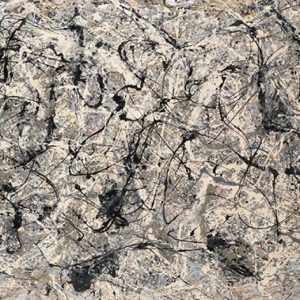
Abstract Expressionism
The designation 'Abstract Expressionism' encompasses a wide multifariousness of American 20th-century art movements in abstruse art. Likewise known as The New York School, this movement includes big painted canvases, sculptures and other media as well. The term 'action painting' is associated with Abstract Expressionism, describing a highly dynamic and spontaneous application of vigorous brushstrokes and the effects of dripping and spilling paint onto the canvas.
Read more than about Abstruse Expressionism.
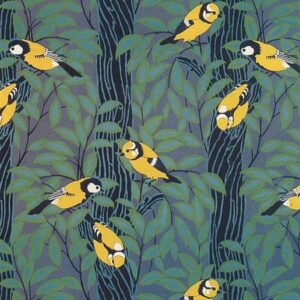
Art Deco
Emerging in France before the Outset World State of war, Fine art Deco exploded in 1925 on the occasion of the Exposition des Arts Décoratifs (Exhibition of Decorative Arts). Blurring the line betwixt dissimilar mediums and fields, from architecture and furniture to article of clothing and jewelry, Art Deco merged modernistic artful with good adroitness, advanced technology, and elegant materials.
Read more than about Fine art Deco.
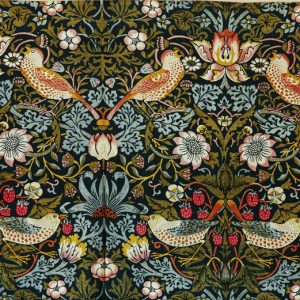
Fine art Nouveau
A decorative manner that flourished between 1890 and 1910 throughout Europe and the U.Due south. Art Nouveau, also called Jugendstil (Federal republic of germany) and Sezessionstil (Austria), is characterized by sinuous, asymmetrical lines based on organic forms. Although it influenced painting and sculpture, its chief manifestations were in architecture and the decorative and graphic arts, aiming to create a new style, free of the imitative historicism that dominated much of 19th-century fine art movements and design.
Read more nigh Fine art Nouveau.
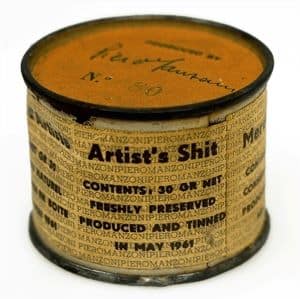
Avant-garde
In French, advanced means "advanced guard" and refers to innovative or experimental concepts, works or the group or people producing them, particularly in the realms of civilisation, politics, and the arts.
Read more than about Avant-garde.
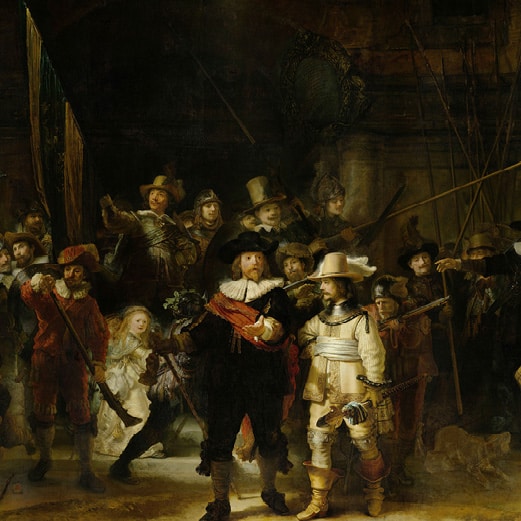
Baroque
The term Baroque, derived from the Portuguese 'barocco' meaning 'irregular pearl or stone', is a motility in fine art and architecture developed in Europe from the early on seventeenth to mid-eighteenth century. Bizarre emphasizes dramatic, exaggerated motion and articulate, easily interpreted, detail, which is a far weep from Surrealism, to produce drama, tension, exuberance, and grandeur.
Read more than near Baroque.
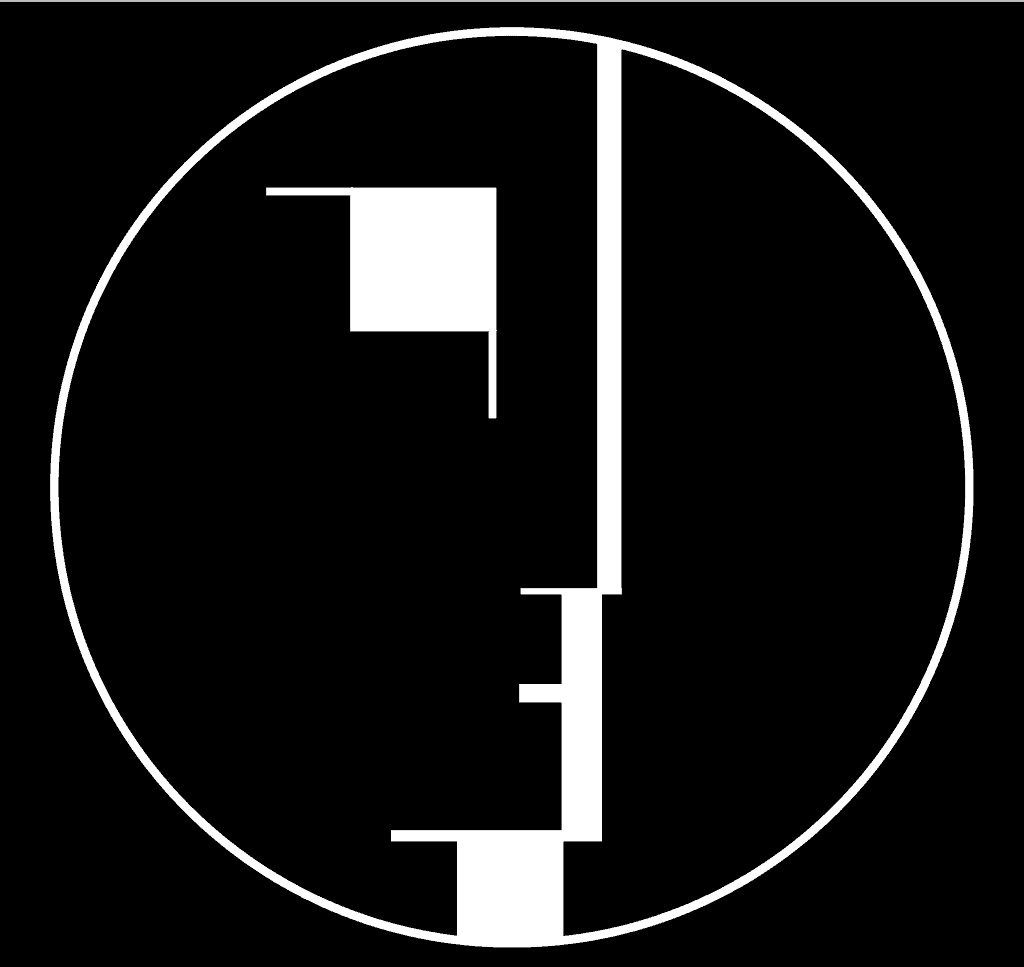
Bauhaus
The school of fine art and design was founded in Germany by Walter Gropius in 1919 and shut downwardly by the Nazis in 1933. The kinesthesia brought together artists, architects, and designers, and developed an experimental teaching that focused on materials and functions rather than traditional fine art school methodologies. In its successive incarnations in Weimar, Dessau, and Berlin, it became the site of influential conversations about the role of modern fine art and design in society.
Read more about Bauhaus.
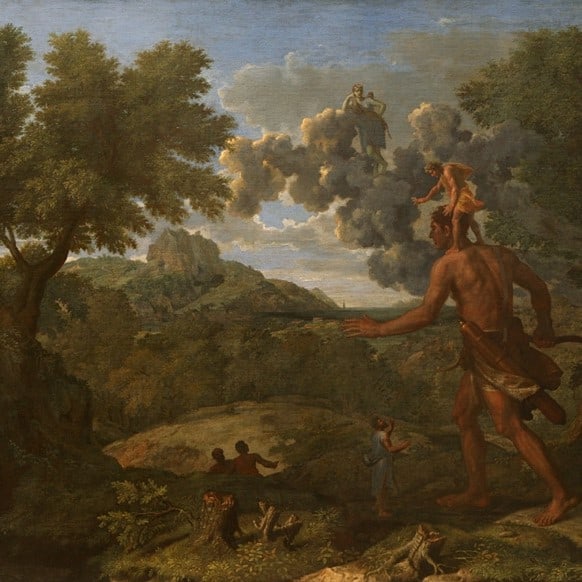
Classicism
The principles embodied in the styles, theories, or philosophies of the different types of art from ancient Greece and Rome, concentrating on traditional forms with a focus on elegance and symmetry.
CoBrA
Founded in 1948 in Paris, CoBrA was a short-lived yet ground-breaking postal service-war group gathering international artists who advocated spontaneity every bit a means to create a new society. The name 'CoBrA' is an acronym for the home cities of its founders, respectively Copenhagen, Brussels and Amsterdam.
Read more almost CoBrA.
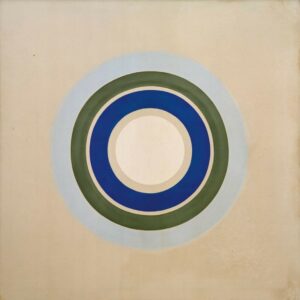
Color Field Painting
Often associated with Abstruse Expressionism, the Colour Field painters were concerned with the apply of pure abstraction but rejected the active gestures typical of Activity Painting in favor of expressing the sublime through large and flat surfaces of contemplative colour and open compositions.
Read more about Color Field Painting.
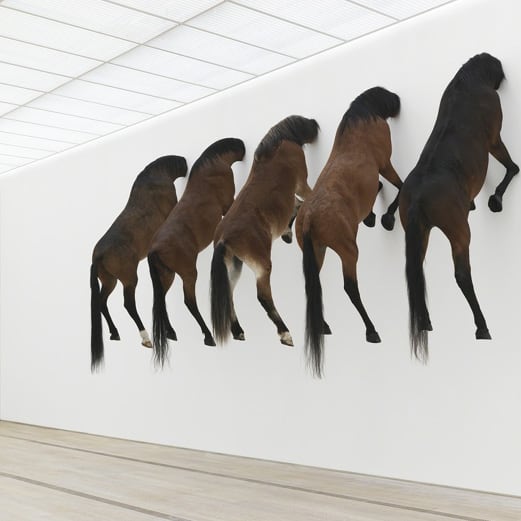
Conceptual art
Conceptual art, sometimes just called conceptualism, was one of several 20th-century fine art movements that arose during the 1960s, emphasizing ideas and theoretical practices rather than the cosmos of visual forms. The term was coined in 1967 by the creative person Sol LeWitt, who gave the new genre its name in his essay "Paragraphs on Conceptual Art," in which he wrote, "The idea itself, fifty-fifty if non made visual, is as much a work of art as any finished product."
Read more than about Conceptual Art.
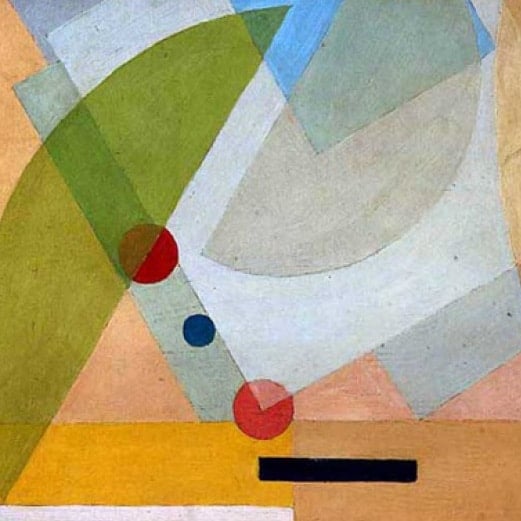
Constructivism
Adult by the Russian avant-garde around 1915, constructivism is a co-operative of abstract art, rejecting the idea of "art for art's sake" in favour of art as a practice directed towards social purposes. The movement'south piece of work was by and large geometric and accurately composed, sometimes through mathematics and measuring tools.
Read more about Constructivism.
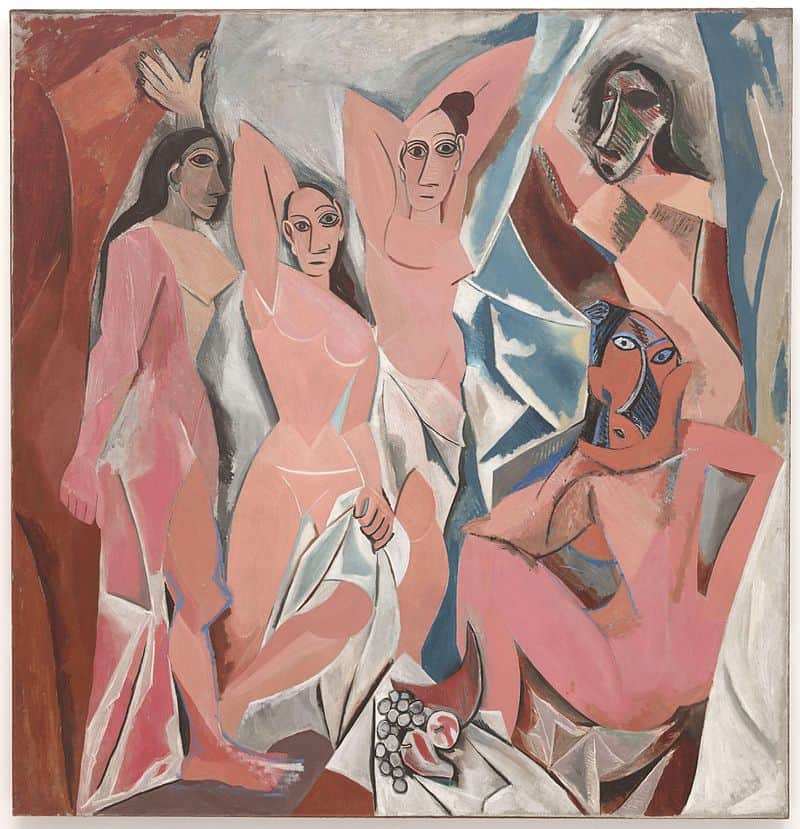
Cubism
An artistic movement began in 1907 by artists Pablo Picasso and Georges Braque who developed a visual language whose geometric planes challenged the conventions of representation in unlike types of art, past reinventing traditional subjects such as nudes, landscapes, and still lifes as increasingly fragmented compositions.
Read more than about Cubism.
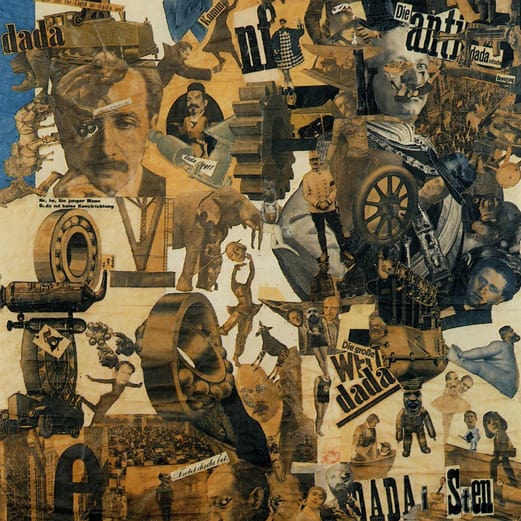
Dada / Dadaism
An creative and literary movement in art formed during the First World War every bit a negative response to the traditional social values and conventional artistic practices of the different types of art at the time. Dada artists represented a protest movement with an anti-establishment manifesto, sought to expose accepted and often repressive conventions of order and logic by shocking people into self-awareness.
Read more near Dadaism.
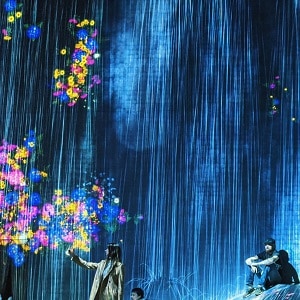
Digital Art
Digital Art broadly covers a variety of creative practices that employ unlike electronic technologies and effect in a final production that is too digital. From computer graphics to virtual reality, from artificial Intelligence to NFT technology, the Digital Art spectrum is wide, innovative, and under the spotlight of the contemporary art market.
Read more virtually Digital Art.
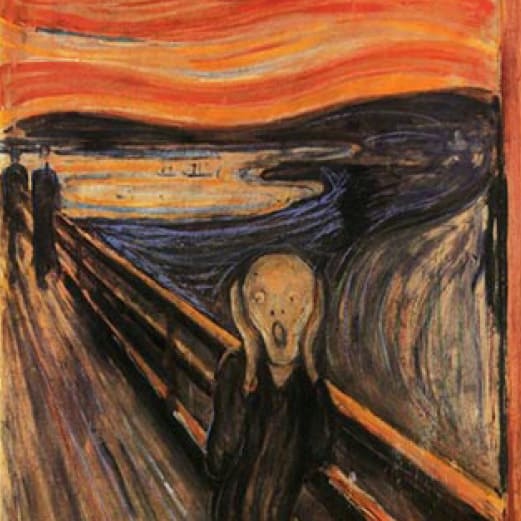
Expressionism
Expressionism is an international artistic movement in art, compages, literature, and performance that flourished between 1905 and 1920, particularly in Germany and Republic of austria, that sought to limited the meaning of emotional experience rather than physical reality. Conventions of the expressionist mode include baloney, exaggeration, fantasy, and vivid, jarring, violent, or dynamic application of color in order to express the creative person's inner feelings or ideas.
Read more than almost Expressionism.
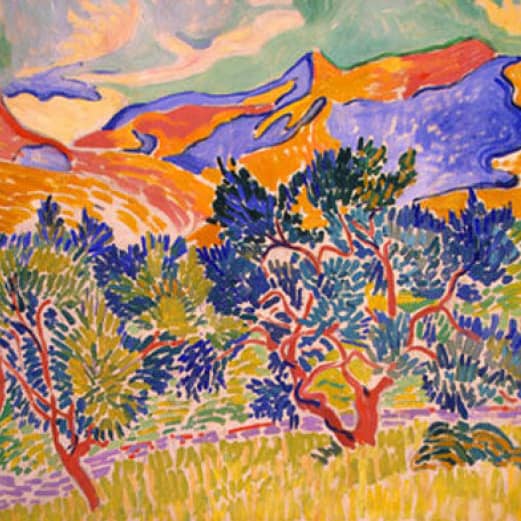
Fauvism
Coined past the critic Louis Vauxcelles, Fauvism (French for "wild beasts") is 1 of the early 20th-century art movements. Fauvism is associated particularly with Henri Matisse and André Derain, whose works are characterized past strong, vibrant colour and bold brushstrokes over realistic or representational qualities.
Read more than about Fauvism.
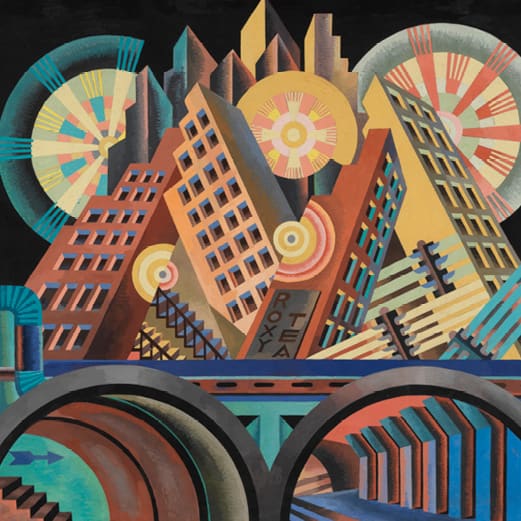
Futurism
Adequately unique among different types of art movements, it is an Italian development in abstract fine art and literature, founded in 1909 by Filippo Tommaso Marinetti, aiming to capture the dynamism, speed and energy of the modernistic mechanical globe.
Read more than about Futurism.
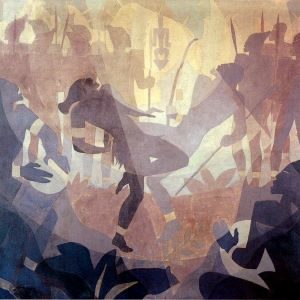
Harlem Renaissance
Emerged after the Starting time World War in the predominantly African-American neighbourhood Harlem in New York, the Harlem Renaissance was an influential motion of African-American art spanning visual arts, literature, music, and theatre. The artists associated with the movement rejected stereotypical representations and expressed pride in black life and identity.
Read more about Harlem Renaissance.
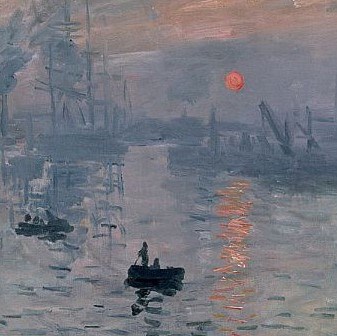
Impressionism
Impressionism is a 19th-century art motion, associated peculiarly with French artists such every bit Claude Monet, Pierre Auguste Renoir, Camille Pissarro and Alfred Sisley, who attempted to accurately and objectively tape visual 'impressions' by using pocket-sized, thin, visible brushstrokes that coalesce to class a single scene and emphasize movement and the changing qualities of light.
Read more about Impressionism.
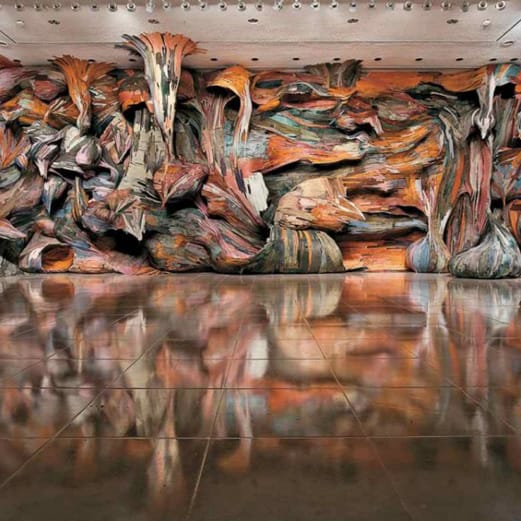
Installation Art
Installation art is a movement developed at the aforementioned time equally popular fine art in the late 1950s, which is characterized by big-scale, mixed-media constructions, frequently designed for a specific place or for a temporary menstruum of time. Often, installation art involves the creation of an enveloping aesthetic or sensory experience in a particular environment, often inviting active date or immersion by the spectator.
Read more near Installation Art.
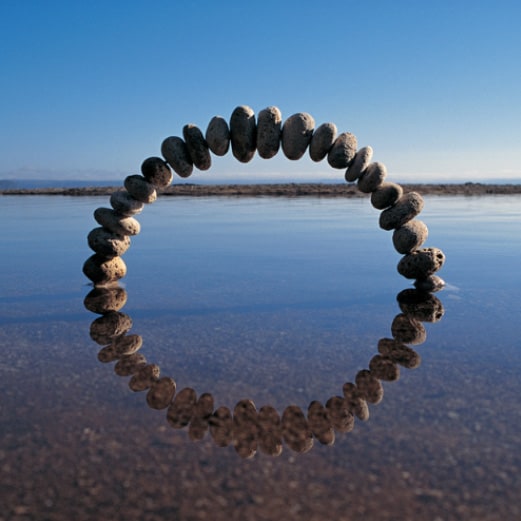
Land Art
Land art, also known equally Globe fine art, Environmental art and Earthworks, is a simple art movement that emerged in the 1960s and 1970s, characterized by works fabricated directly in the landscape, sculpting the land itself into digging or making structures in the mural using natural materials such as rocks or twigs. It could be seen every bit a natural version of installation art. Land art is largely associated with United kingdom and the The states but includes examples from many countries.
Read more about Land Art.
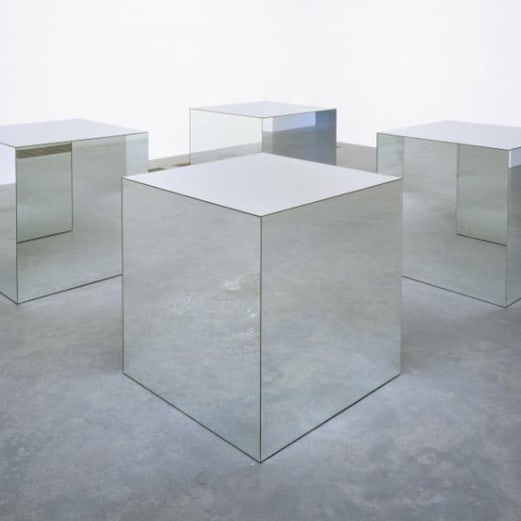
Minimalism
Another one of the fine art movements from the 1960s, and typified by works equanimous of elementary art, such as geometric shapes devoid of representational content. The minimal vocabulary of forms fabricated from humble industrial materials challenged traditional notions of craftsmanship, the illusion of spatial depth in painting, and the idea that a work of abstract fine art must be 1 of a kind.
Read more about Minimalism.
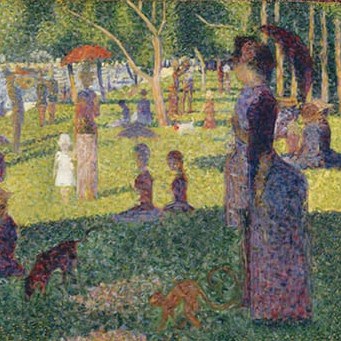
Neo-Impressionism
A term applied to an avant-garde fine art motion that flourished principally in France from 1886 to 1906. Led past the instance of Georges Seurat and Paul Signac, Neo-Impressionists renounced the spontaneity of Impressionism in favour of a measured and systematic painting technique known as pointillism, grounded in scientific discipline and the written report of eyes.
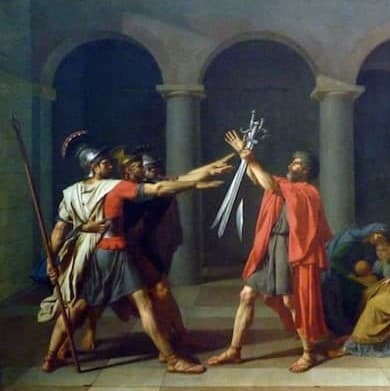
Neoclassicism
Almost the opposite of pop fine art in terms of inspiration, this mode is i that arose in the second half of the eighteenth century in Europe, drawing inspiration from the classical fine art and culture of Ancient Greece and Ancient Rome, which is not uncommon for fine art movements.
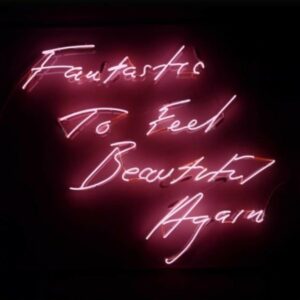
Neon Art
In the 1960s, Neon Art turned a commercial medium employed for advertising into an innovative artistic medium. Neon lighting allowed artists to explore the relationship between light, colour, and space while tapping into pop culture imagery and consumerism mechanisms.
Read more about Neon Art.
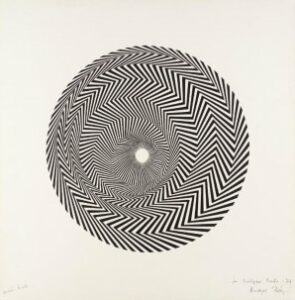
Op Fine art
Op Fine art is an abbreviation of optical art, a form of geometric abstruse art that explores optical sensations through the use of visual furnishings such as repetition of simple forms, vibrating colour-combinations, moiré patterns, foreground-background confusion, and an exaggerated sense of depth. Op Art paintings and works employ tricks of visual perception like manipulating rules of perspective to give the illusion of three-dimensional infinite.
Read more about Op Art.
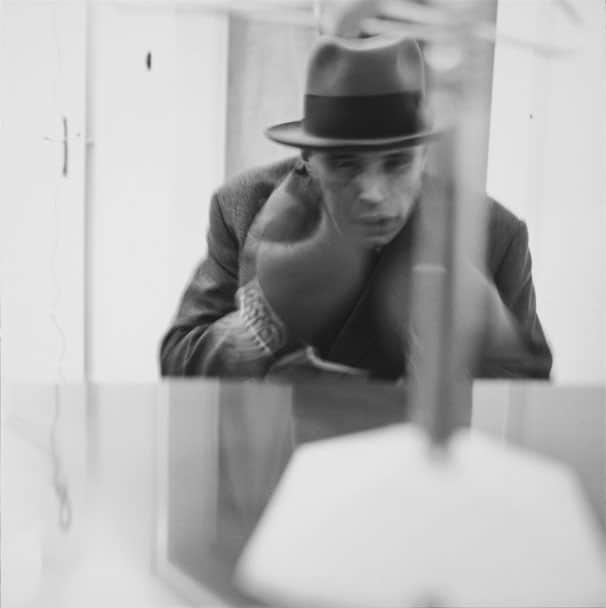
Functioning Art
A term that emerged in the 1960s to describe different types of art that are created through deportment performed by the artist or other participants, which may be live or recorded, spontaneous or scripted. Performance challenges the conventions of traditional forms of visual art such as painting and sculpture by embracing a diverseness of styles such as happenings, body art, actions, and events.
Read more about Performance Fine art.
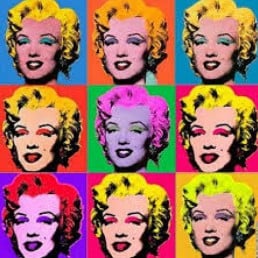
Pop Fine art
Pop Art emerged in the 1950s and was composed of British and American artists who draw inspiration from 'pop' imagery and products from commercial culture equally opposed to 'elitist' fine art. Popular art reached its top of activity in the 1960s, emphasizing the banal or kitschy elements of everyday life in such forms equally mechanically reproduced silkscreens, large-scale facsimiles, and soft pop art sculptures.
Read more almost Popular Fine art.
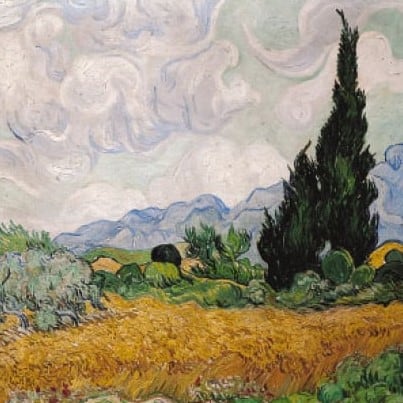
Post-Impressionism
'Postal service-Impressionism' is a term coined in 1910 past English fine art critic and painter Roger Fry to describe the reaction against the naturalistic delineation of lite and colour in Impressionism. Artists similar Paul Cézanne, Paul Gauguin, and Vincent van Gogh adult a personal style although unified past their interest in expressing their emotional and psychological responses to the world through assuming colours and often symbolic images.
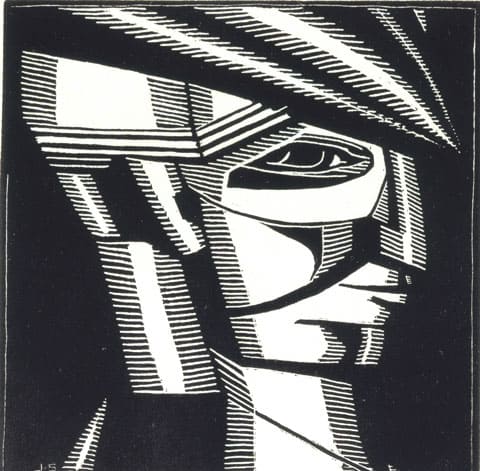
Precisionism
Precisionism was the starting time real indigenous modern art movement in the Us and contributed to the rise of American Modernism. Taking its cues from Cubism and Futurism, Precisionism was driven past a desire to bring construction back to art and celebrated the new American landscape of skyscrapers, bridges and factories.
Read more than nigh Precisionism.
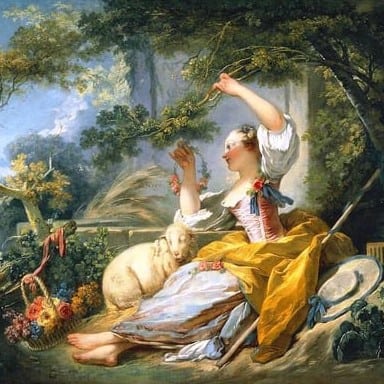
Rococo
Rococo is a movement in fine art, particularly in compages and decorative art, that originated in French republic in the early 1700s. Rococo art characteristics consist of elaborate ornamentation and a low-cal, sensuous manner, including scrollwork, leafage, and animal forms.
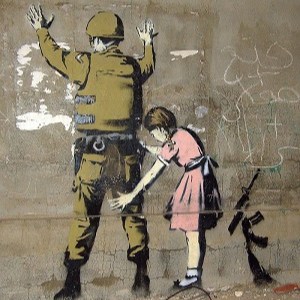
Street Fine art
Evolving from early forms of graffiti, Street Art is a thought-provoking art motion that emerged in the 1960s and peaked with the spray-painted New York subway train murals of the 1980s. Street artists utilise urban spaces every bit their sheet, turning cities around the globe into open sky museums and have often found their way into the mainstream art world.
Read more about Street Art.
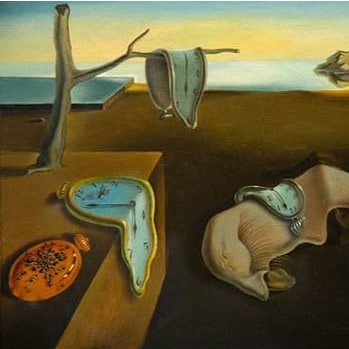
Surrealism
Founded by the poet André Breton in Paris in 1924, Surrealism was an artistic and literary motility that was active through World War Two. The main goal of Surrealism painting and Surrealism artworks was to liberate idea, language, and human feel from the oppressive boundaries of rationalism by championing the irrational, the poetic and the revolutionary.
Read more near Surrealism.
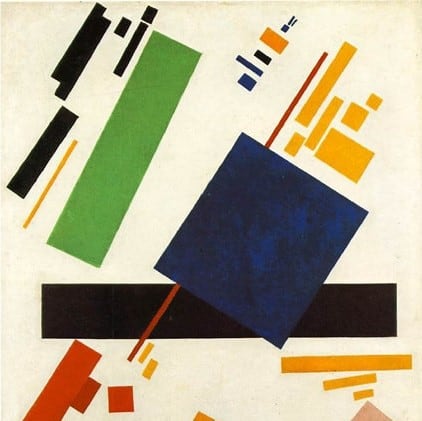
Suprematism
Constitute to be a relatively unknown member of the dissimilar types of abstract art movements, outside of the art world that is. A term coined by Russian artist Kazimir Malevich in 1915 to depict an abstract mode of painting that conforms to his belief that art expressed in the simplest geometric forms and dynamic compositions was superior to earlier forms of representational art, leading to the "supremacy of pure feeling or perception in the pictorial arts."
Read more about Suprematism.
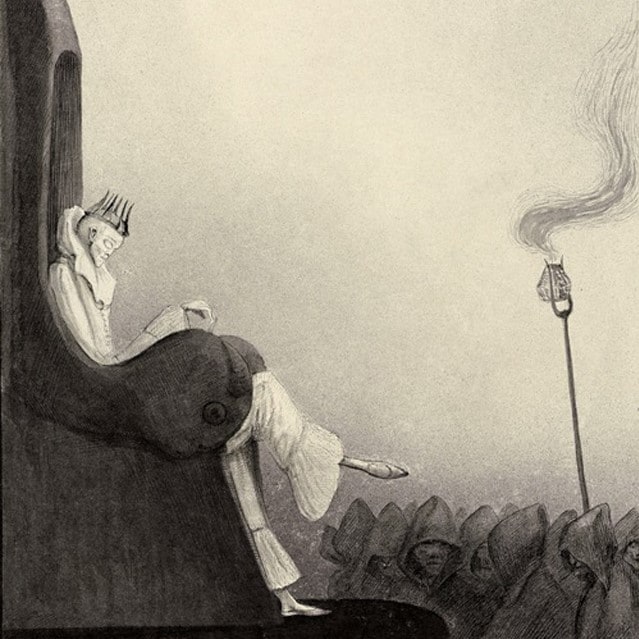
Symbolism
Symbolism emerged in the second half of the 19th century, mainly in Catholic European countries where industrialisation had developed to a great degree. Starting every bit a literary motility, Symbolism was soon identified with a young generation of painters who wanted art to reverberate emotions and ideas rather than to represent the natural world in an objective fashion, united by a shared cynicism and weariness of the decadence in modern society.
Read more about Symbolism.
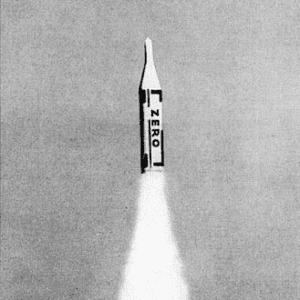
Zero Group
Emerged in Germany and spread to other countries in the 1950s, Zero Group was a grouping of artists united by the desire to move abroad from the subjectivity of mail-state of war movements, focusing instead on the materiality, color, vibration, light, and move of pure abstract art. The main protagonists of the group were Heinz Mack, Otto Piene, and Günther Uecker.
Read more about Zero Group.
Learn more art terminology with:
MoMA – Glossary of Art Terms
Tate – Art Terms
Source: https://magazine.artland.com/art-movements-and-styles/
0 Response to "Match the Art Historical Style to the Artist Who Worked in That Style"
Post a Comment